
Understanding the social dynamics of gambling culture in modern society
The Historical Context of Gambling Culture
Gambling has existed in various forms for centuries, evolving alongside human societies. Historically, it has served different purposes, from a means of entertainment to a tool for social bonding. Ancient civilizations, such as the Greeks and Romans, participated in gambling activities that fostered community interaction. The advent of casinos in the 17th century marked a significant shift, offering structured environments for betting, which helped to legitimize gambling in the eyes of society. Today, one can easily find top rated online casinos canada that cater to modern tastes.
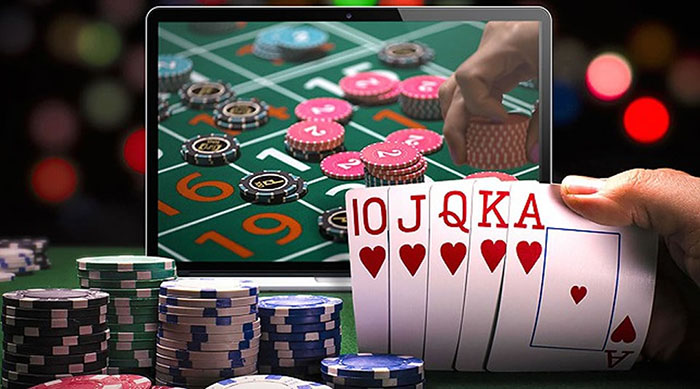
In the modern era, gambling has transformed dramatically with advancements in technology and changing social attitudes. The introduction of online gaming platforms has made gambling more accessible than ever, allowing individuals to engage in betting from the comfort of their homes. This shift has changed the landscape of gambling, leading to an increase in participants and the normalization of gambling as a leisure activity, further embedding it into our cultural fabric.
Moreover, the cultural acceptance of gambling has seen fluctuations based on socio-economic factors and legal regulations. Regions with liberal gambling laws often witness a more ingrained gambling culture, whereas areas with stricter regulations may stifle its growth. This historical context is essential in understanding how gambling has become a significant aspect of modern society’s social dynamics.
The Psychological Appeal of Gambling
The psychological factors driving individuals to gamble are multifaceted and rooted in both risk and reward. The thrill associated with uncertainty and the potential for financial gain create an enticing environment for many. Psychological theories, such as the “near-miss” effect, explain how almost winning can lead to continued gambling behavior, as players often feel that victory is within reach. This phenomenon can be particularly powerful in casino settings, where sensory stimulation and social interaction enhance the experience.
Additionally, gambling serves as a coping mechanism for some individuals, providing an escape from reality. People facing financial struggles, stress, or personal issues may turn to gambling as a means of distraction or a way to alleviate their burdens, albeit temporarily. This often leads to a cycle of dependency, where the initial enjoyment transforms into compulsive behavior, further complicating the social dynamics of gambling culture.
Social identity also plays a significant role in the psychological allure of gambling. Many people associate their self-worth with their success in betting, and this can lead to a heightened sense of belonging within gambling communities. The creation of personas, whether through online avatars or social interactions within casinos, fosters a unique identity that individuals may find challenging to relinquish, solidifying gambling as a key component of their social lives.
Gambling and Social Interaction
The social dynamics surrounding gambling are complex, intertwined with various aspects of human interaction. Casinos often serve as social hubs where individuals gather to share experiences, celebrate wins, or support each other through losses. These establishments promote an atmosphere of camaraderie, where people bond over shared activities and common interests, contributing to a rich social fabric.
Moreover, gambling is often a communal activity, with friends and family members participating together. This collective engagement can strengthen relationships, as individuals create memories and stories that tie them closer together. However, it also has the potential for negative consequences, as gambling can lead to disputes and conflicts, particularly when financial losses are involved. Understanding this duality is crucial in assessing the overall impact of gambling on social interactions.
Additinally, the role of technology has changed the way social interactions occur in gambling. Online platforms allow players to connect with others worldwide, fostering new friendships and communities that transcend geographical boundaries. However, this shift can also dilute the traditional social experience found in brick-and-mortar casinos, presenting both opportunities and challenges for modern gambling culture.
Regulations and Their Impact on Gambling Culture
The regulatory landscape surrounding gambling significantly influences its cultural dynamics. Different countries and states have varying laws governing gambling activities, from outright bans to fully legalized markets. These regulations not only dictate how and where gambling can occur but also shape societal attitudes toward it. In regions where gambling is heavily regulated, it may be viewed with skepticism, while in areas with a more permissive stance, it can be celebrated as a legitimate form of entertainment.
Furthermore, regulations often play a role in addressing the potential negative consequences of gambling, such as addiction and financial distress. Many jurisdictions implement measures such as self-exclusion programs and responsible gambling initiatives to mitigate these risks. The effectiveness of such programs varies, and ongoing discussions about how best to protect vulnerable populations are crucial in shaping the future of gambling culture.
Moreover, the rise of sports betting and online gambling platforms has brought new challenges to regulators, who must balance the desire for revenue generation with the need for consumer protection. This balancing act often leads to ongoing debates within societies about the moral implications of gambling, reflecting the complex social dynamics at play within modern culture.

Exploring Online Gambling Communities
The emergence of online gambling communities has revolutionized how people engage with betting and each other. These digital platforms provide a space for players to connect, share experiences, and discuss strategies, fostering a sense of belonging that transcends traditional barriers. Forums and social media groups dedicated to gambling allow users to exchange tips and stories, thereby enhancing their overall experience and forming lasting relationships.
While online gambling offers convenience, it also poses unique challenges. The anonymity of the internet can lead to irresponsible behavior, with individuals feeling less accountable for their actions. This detachment may exacerbate gambling issues, as individuals may find it easier to hide their activities from friends and family. Understanding the nuances of these online interactions is essential for grasping the evolving nature of gambling culture in today’s society.
Moreover, the online space has given rise to new forms of gambling, such as eSports betting and virtual casinos, which cater to a younger demographic. This evolution broadens the scope of gambling culture, introducing new social dynamics that differ from traditional gambling environments. As these communities continue to grow, they will play a crucial role in shaping the future of gambling and its place within modern society.