
Avia Masters, a cutting-edge flight simulation game, captivates players with its intricate physics-based gameplay that offers an unparalleled flying experience. The game combines realistic aerodynamics, environmental factors, and player skill to create a dynamic and immersive environment where every maneuver counts. This report delves into the core mechanics of Avia Masters, exploring how physics influences gameplay and enhances player engagement.
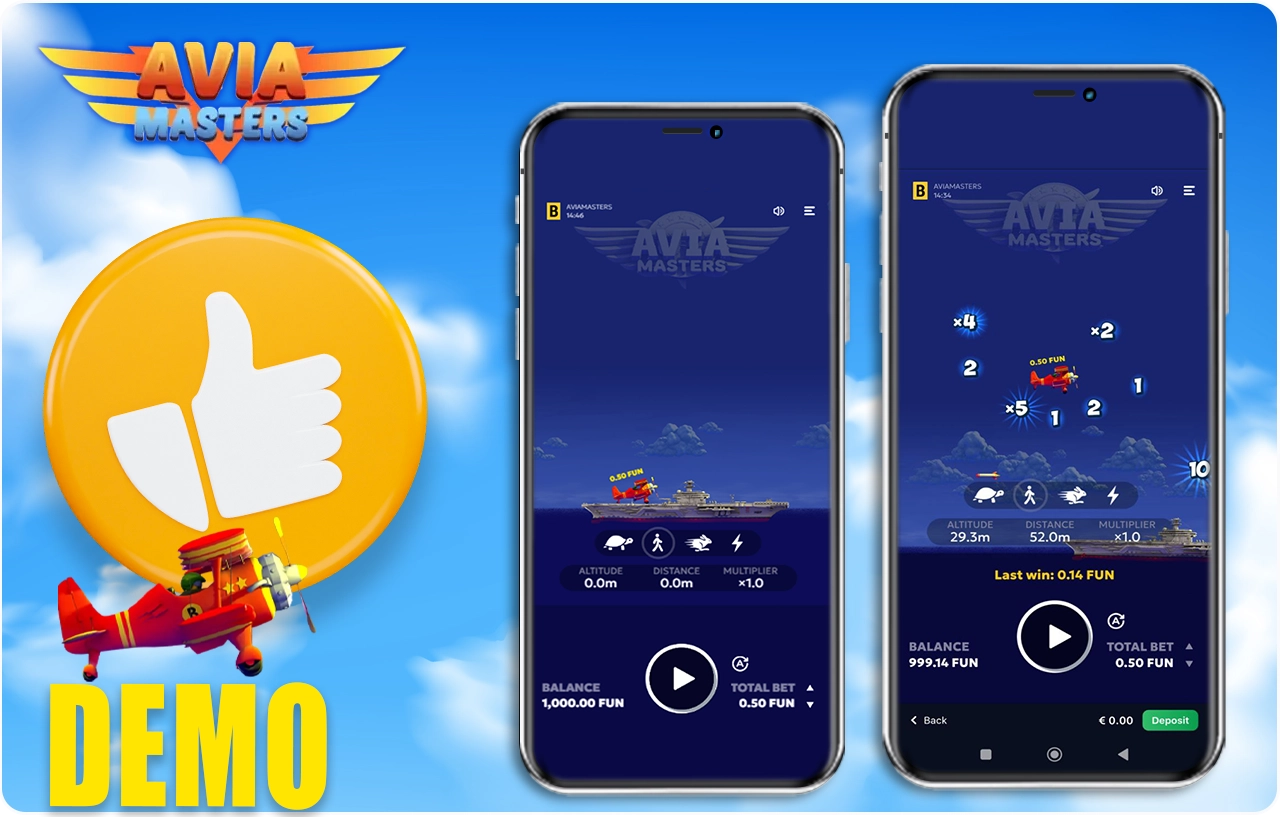
At the heart of Avia Masters is a sophisticated physics engine that simulates real-world flight dynamics. Unlike many arcade-style flight games that prioritize speed and simplicity, Avia Masters emphasizes authenticity. Players must understand the principles of lift, drag, thrust, and weight to navigate their aircraft effectively. The game accurately models how different aircraft respond to various forces, providing a steep learning curve that rewards practice and mastery. For instance, players must learn to manage their angle of attack to prevent stalling, which adds a layer of strategy to each flight.
Environmental factors also play a significant role in the gameplay experience. Avia Masters features a dynamic weather system that can drastically affect flight conditions. Wind speed and direction, turbulence, and atmospheric pressure are all variables that players must consider when planning their flights. For example, flying into a headwind can slow down an aircraft, requiring players to adjust their throttle and flight path accordingly. Conversely, tailwinds can enhance speed but may also complicate landing approaches. This intricate interplay between the aircraft and its environment demands that players remain vigilant and adaptable, enhancing the realism of the experience.
The game’s physics-based mechanics extend beyond mere flight dynamics; they also influence combat and mission scenarios. Players engage in aerial dogfights where understanding the physics of maneuvers can mean the difference between victory and defeat. Factors such as energy management, turn radius, and the effects of g-forces come into play as players engage in high-speed chases and evasive maneuvers. The ability to anticipate an opponent’s moves and respond with precise control is crucial, making skillful piloting a key component of success in Avia Masters.
Moreover, Avia Masters encourages players to experiment with different aircraft, each designed with unique characteristics that affect flight behavior. From nimble fighters to heavy bombers, players can choose their aircraft based on personal preference and mission requirements. This variety not only enhances replayability but also allows players to explore the nuances of flight physics through different designs. Each aircraft requires a tailored approach to piloting, pushing players to adapt their strategies and techniques.
In conclusion, the physics-based gameplay of Avia Masters offers a rich and engaging experience that sets it apart from traditional flight simulators. By emphasizing realistic flight dynamics, environmental interactions, and the strategic elements of aerial combat, the game challenges players to develop their skills and knowledge of aviation. This commitment to authenticity not only enhances player immersion but also fosters a deeper appreciation for the complexities of flight. As players navigate the skies of Avia Masters, they embark on a journey that is as educational as it is exhilarating, making it a standout title in the genre.