
Exploring the historical evolution of gambling practices across cultures
Ancient Origins of Gambling
The practice of gambling dates back to ancient civilizations, with evidence of dice games found in archaeological sites across Mesopotamia, Egypt, and China. These early forms of gambling were often tied to rituals or decision-making processes, reflecting the psychological need for chance and uncertainty. For many, the act of wagering was not merely a pastime; it represented a way to engage with fate and the divine. Today, players looking to experience thrilling games can visit nz online pokies real money for an exciting online adventure.
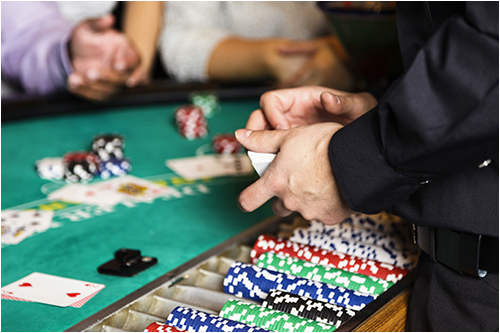
The Chinese Han Dynasty introduced a form of lottery that became an essential part of social life, highlighting the communal aspects of gambling. This early engagement with games of chance illustrates the deep-rooted psychological attraction to risk-taking, illustrating how cultural contexts shaped these practices over millennia.
Gambling in Classical Antiquity
During the Classical era, particularly in Greece and Rome, gambling became more organized and widespread. The Greeks enjoyed games like knucklebones, while the Romans popularized dice games and betting on chariot races. These activities were not only forms of entertainment but also served as a social lubricant, facilitating camaraderie and social interaction among participants.
The acceptance of gambling in these societies often reflected broader cultural attitudes towards luck, fate, and the human condition. The psychological aspects of gambling during this period helped solidify its place within social structures, revealing how cultures adapted their beliefs about risk and reward in accordance with their values.
Gambling Across Cultures in the Middle Ages
The Middle Ages saw a complex evolution of gambling practices across Europe and Asia. In Europe, the church often condemned gambling, associating it with moral decay and vice. However, games like cards emerged and gained popularity among the nobility, revealing the tension between societal norms and the human urge to engage in risk-taking behaviors.
Meanwhile, in Asia, gambling flourished alongside cultural festivals and rituals, with games like Pai Gow in China illustrating the integration of chance into traditional practices. This divergence in attitudes highlights the psychological motivations for gambling, showcasing how cultural beliefs shaped the acceptance and regulation of these activities.
The Rise of Modern Gambling Practices
The 19th century marked a turning point in the evolution of gambling, particularly with the establishment of state-sponsored lotteries and the emergence of casinos. This period saw gambling transformed from a socially ambiguous activity into a regulated industry, reflecting shifts in societal attitudes towards chance and risk. The psychological appeal of gambling began to be understood more deeply, with an emphasis on thrill-seeking and escapism.
As new technologies emerged, such as telegraphy and eventually the internet, gambling practices adapted. Online gambling has revolutionized access, demonstrating a profound change in how societies engage with risk. The psychological aspects of gambling—such as the excitement of winning and the uncertainty of loss—continue to drive participation in modern contexts.

Responsible Gambling in Contemporary Culture
In today’s world, responsible gambling has become a significant topic of discussion, especially as online platforms proliferate. Ensuring a safe gambling environment that addresses the psychological risks associated with gambling is crucial. Many organizations advocate for awareness and education on responsible gambling practices, emphasizing the importance of understanding one’s limits.
Modern gambling sites offer tools and resources for players to manage their gambling behavior effectively. This shift represents an ongoing commitment to promoting a healthy relationship with gambling, acknowledging both the psychological allure and the potential pitfalls of engaging in these activities. By fostering a safe environment, the gambling industry can better serve diverse cultural contexts while addressing psychological aspects effectively.