
Evaluating the fairness of games offered in casinos
Understanding Game Fairness in Casinos
The concept of fairness in casino games is crucial for players who want to ensure that they are engaging in a trustworthy gaming environment. Fairness typically refers to the randomness of games and whether the odds are designed to provide an equitable chance for all players. This can include everything from slot machines to table games like blackjack and roulette. Many players often wonder if they are playing on a level playing field or if the odds are skewed against them.
To evaluate fairness, it is essential to understand the role of random number generators (RNGs) in digital games and the established standards for live games. Many jurisdictions require that casinos use RNGs that are independently tested to ensure their integrity. Compliance with these standards contributes to a fair gaming experience for the player. For those interested in more information, visiting an official website can provide insights into how these standards are upheld.

The Role of Regulation and Licensing
Regulatory bodies play an indispensable role in ensuring that casino games are fair. Licensed casinos are subject to strict guidelines that oversee every aspect of their operations. These regulations are designed to protect consumer interests and to uphold the integrity of the gaming experience. For instance, jurisdictions like Nevada, New Jersey, and the United Kingdom have regulatory frameworks that enforce fairness and transparency among licensed operators.
Understanding House Edge and RTP
The house edge and return to player (RTP) rate are essential concepts for evaluating the fairness of games. The house edge represents the casino’s advantage over the player, expressed as a percentage. It’s crucial for players to comprehend how this affects their winning potential. While a lower house edge means better odds for players, it does not guarantee individual wins. It simply indicates that over time, the game is designed to return more to the player.
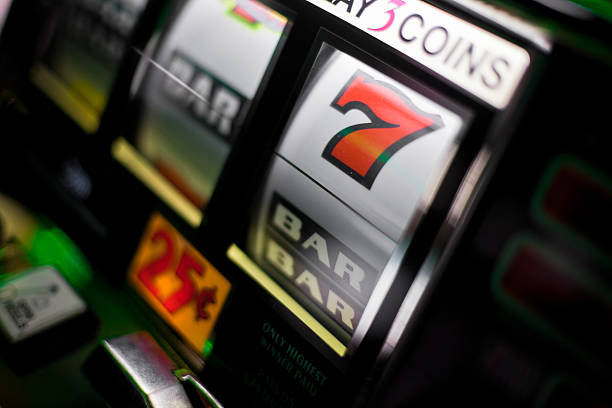
RTP is another metric that players should be familiar with. This percentage indicates how much of the total bets made on a game will be paid out to players over time. For example, a game with an RTP of 95% will theoretically return $95 for every $100 wagered. Understanding these principles can help players make informed decisions as they choose which games to play, enhancing their gaming experience.
Common Misconceptions About Fairness
One of the most common misconceptions is that all casino games are rigged against players. While it is true that casinos are businesses seeking profit, this does not mean that games are unfair. Regulatory oversight and technology, such as RNGs, help maintain the integrity of games. The vast majority of licensed casinos operate under strict guidelines, ensuring that games remain fair and honest.
Another myth is that certain times are better for playing, influencing outcomes based on player belief rather than reality. Games like slots are designed statistically, with outcomes that do not depend on previous spins. Understanding these facts can help combat misinformation, enabling players to engage in a more knowledgeable and fulfilling gaming experience.
Additional Resources and Information
For those seeking to further explore the topic of fairness in casino games, various resources are available online. Reputable websites often publish detailed reviews of casinos, helping players understand their gaming options and providing insight into the fairness of different games. Knowledge is one of the best tools for ensuring that your gaming experience is both enjoyable and equitable.
Additionally, engaging with communities online can provide players with conversations around experiences related to game fairness. These discussions often empower players to make informed choices, ultimately enhancing their understanding of the gaming landscape. By exploring a range of perspectives, individuals can cultivate a better understanding of what to expect when visiting a casino.